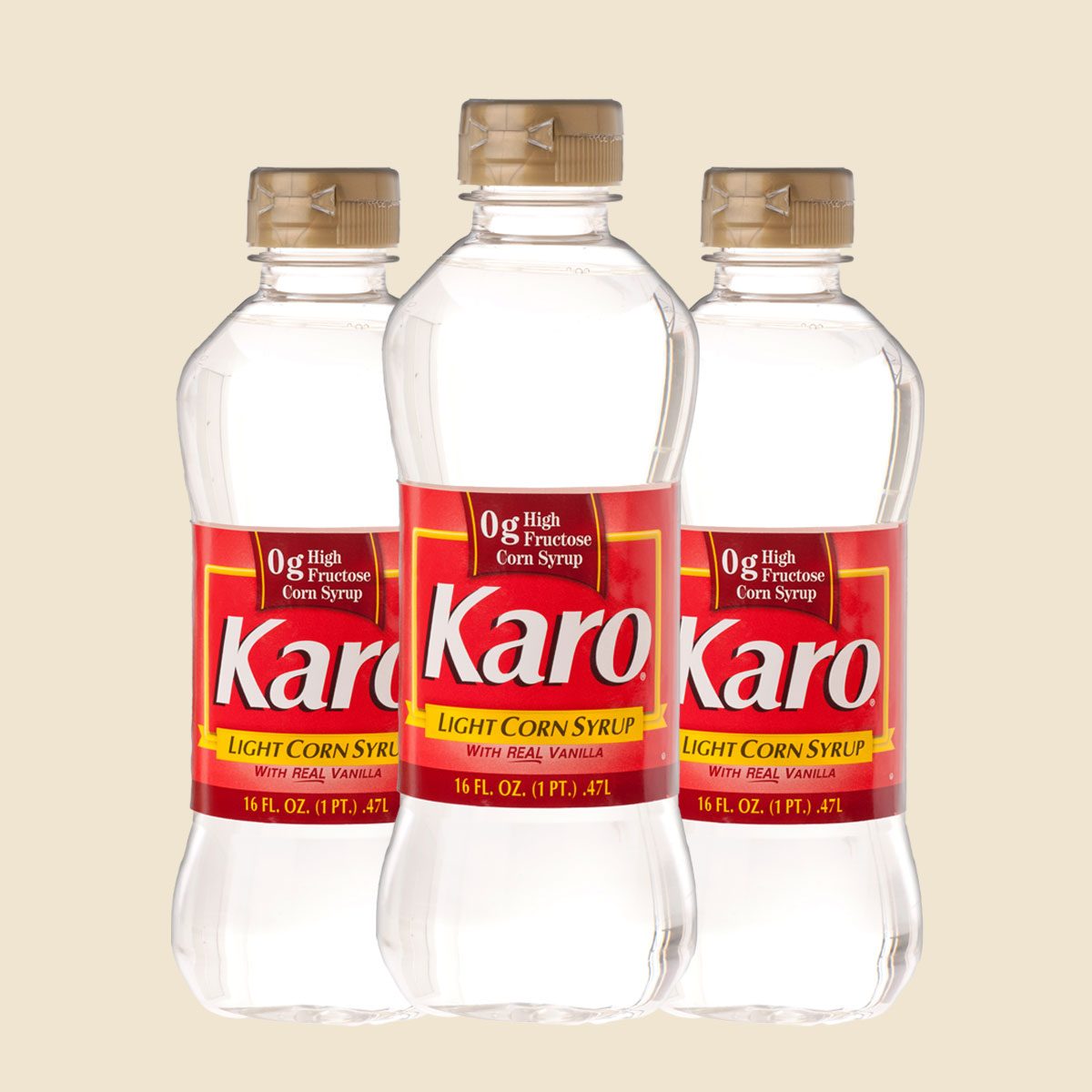
Despite being essential to many baked goods, corn syrup has a bad rap. But is it deserved? Here's what dietitians want you to know.
If you’ve ever made pecan pie or whipped up a batch of homemade caramels, you’ve probably reached for a bottle of corn syrup. It’s quietly essential to countless sweets, yet it’s surrounded by confusion—and some would even say it has a bad reputation.
To clear things up, we asked registered dietitians to share practical, science-backed insight into this controversial little ingredient.
So, is corn syrup actually bad for you? And can you replace it with something else when baking? Here’s what you need to know before you fire up your candy-making station.
What is corn syrup?
Corn syrup starts as—you guessed it—corn. Manufacturers break down corn starch into a syrup made almost entirely of glucose, the simple sugar that’s used by the human body for energy.
In the kitchen, corn syrup is prized for its smooth sweetness and its magical ability to prevent sugar from crystalizing. This means it keeps those caramels silky and your pecan pie glossy rather than gritty. Especially when it comes to making candies, corn syrup is the key to getting the right texture.
Nutritionally, corn syrup is just another source of added sugar, similar to what you’d get from honey or table sugar. It doesn’t offer any vitamins or minerals; its job is all sweetness and structure.
Is corn syrup bad for you?

The short answer? Not inherently, but moderation matters.
Corn syrup has developed a bit of a villainous reputation, mostly because people confuse it with high-fructose corn syrup (a different ingredient—more on that below). But regular corn syrup is 100% glucose, so it’s still considered an added sugar. The key is how much you’re eating.
Dawn Jackson Blatner, RDN, CSSD, media dietitian and author of The Superfood Swap says, “What really matters is quantity … regularly overeating any added sugar can raise the risk of issues like fatty liver, diabetes and weight gain.”
In other words, corn syrup is not uniquely harmful. It just lives in the same category as sugar, honey, maple syrup and other sweeteners: fine in reasonable amounts, problematic in excess. If you use a splash to make Grandma’s famous Thanksgiving pie once a year, enjoy every forkful. If you’re slicing up that pie every night of the week … maybe pace yourself.
What is high-fructose corn syrup?
This is where things get more complex. High-fructose corn syrup starts as corn syrup, but manufacturers add enzymes to convert a portion of its glucose to fructose. Fructose tastes sweeter than glucose, so high-fructose corn syrup packs more of a punch.
“The key difference between corn syrup and high-fructose corn syrup (HFCS) lies in their sugar composition,” Amy Goodson, MS, RD, CSSD, LD, told us. “Regular corn syrup is 100% glucose, while HFCS is made by converting some of that glucose into fructose to enhance sweetness.”
She explained that there are two main types of HFCS:
- HFCS-42: About 42% fructose / 58% glucose; found in baked goods and processed foods
- HFCS-55: About 55% fructose / 45% glucose; common in soft drinks
Your body handles these sugars differently.
“Glucose is absorbed directly into the bloodstream and used for energy, while fructose is metabolized primarily in the liver, where it can be converted into glucose or stored as fat,” Goodson says.
Even so, experts stress that the bigger picture of an individual’s diet is what really matters. High-fructose corn syrup and corn syrup are both considered added sugars, so it’s wise to enjoy them in moderation.
Can you substitute for corn syrup in recipes?
In most cases, no. Corn syrup has a unique job in recipes: It prevents sugar from crystallizing. That’s what keeps caramels silky and marshmallows bouncy. Because of that unique characteristic, most bakers recommend sticking with corn syrup when a recipe calls for it—especially when it comes to candy-making, where even tiny changes can throw off a whole recipe.
There are occasional exceptions, though. In a simple sauce or non-candy recipe, you might use alternatives like honey, maple syrup, golden syrup or brown rice syrup. Just know that these swaps can change both the texture and flavor of your dish.
Corn syrup is hardly a nutritional superfood, but it’s also not the enemy. It’s a kitchen workhorse that keeps sweets velvety smooth and delicious, and it’s perfectly fine to enjoy in moderation. So this baking season, go ahead and use it to make your favorite desserts shine. Balance keeps life sweet.
Related: