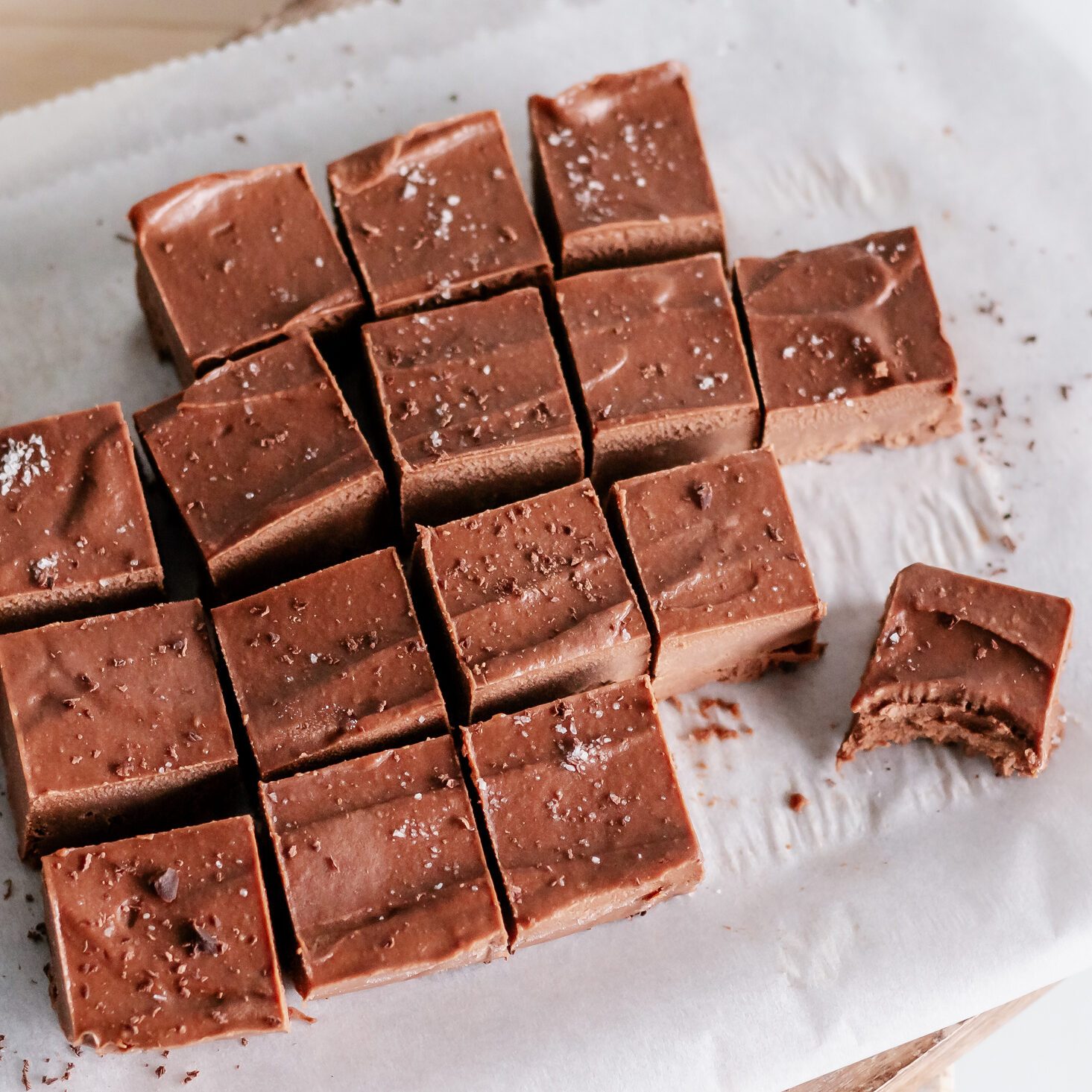
Sometimes all you need is a small piece of fudge to satisfy a craving, but what about the rest of the batch? We've broken down everything you need to know about storing homemade fudge and how long fudge lasts so nothing goes to waste.
Fudge, whether from a boardwalk shop at the beach or a homemade batch at Christmas, is one of my favorite sweet treats. With flavors such as salty-sweet peanut butter, chunky cookies ‘n’ cream, and classic chocolate fudge, there are countless delicious versions. It’s beautifully rich and creamy with the most incredible texture, so even a small dose of the best fudge recipes goes a long way. That said, how long does fudge last if you need some time to get through a batch?
Depending on the storage method and the type of fudge, it will stay fresh anywhere from one week to several months. To maintain the best flavor and texture, it’s all about packaging fudge properly to prevent it from drying out and avoiding temperature changes. But once you know the right storage method, you’ll be able to keep this treat on hand all the time.
How Long Does Fudge Last?
There are many different ways to make fudge, from the classic candy thermometer method to quick microwave fudge, but regardless of the method or whether it’s store-bought, fudge lasts for one to two weeks at room temperature and even longer in the refrigerator or freezer. Fudge typically contains dairy, but its high sugar content helps stabilize and preserve it, allowing it to retain its shape and flavor.
- At room temperature: To ensure your fudge stays fresh for one to two weeks at room temperature, it’s important to keep it away from moisture, light and temperature changes. Layer pieces of fudge between waxed paper or parchment in an airtight container. It’s best to store the fudge in a cool, dry place, such as a cupboard or pantry, to prevent it from melting.
- In the fridge: With proper storage, fudge can last in the refrigerator for two to three weeks. Use a food storage container with a lid that seals tightly to prevent the fudge from drying out or absorbing odors from the fridge. Layer pieces with parchment or waxed paper between them so that they don’t stick. Let it warm at room temperature for a few minutes before eating to regain its creamy texture.
- In the freezer: Classic boiled-sugar fudge lasts in the freezer for two to three months, while quick recipes, such as those made with sweetened condensed milk, can last up to a year in the freezer. To protect the texture from becoming crumbly, wrap it first in waxed paper, then in aluminum foil, and transfer that to a freezer-proof bag or container. Store it toward the back of the freezer, away from fluctuating temperatures near the door. Thaw for two to three hours before eating.
How do you know if fudge has gone bad?
Fudge has the potential to go bad, but not necessarily in the same ways other foods spoil. If fudge experiences temperature changes, it can melt or develop a slimy texture on the surface. If it is exposed to air, it can dry out and become hard, grainy or crumbly. The possibility of fudge making someone sick is very slim because the high sugar content acts as a preservative against mold or bacterial growth.
The best way to judge if fudge has gone bad is simply by looking for visual changes and smelling for any off-putting aromas. If something doesn’t seem right, err on the side of caution and toss it.
Tips for Storing Homemade Fudge
What’s the best way to store fudge?
The best way to maintain the soft and creamy texture of fudge is to store it at room temperature in a sturdy storage container with a lid that seals airtight. If you need some recommendations, these are the best food storage containers to try. Using a rigid container with parchment or waxed paper between layers of fudge pieces makes it easier to stack them versus using a soft storage bag.
Since this is a short-term option, we recommend the freezer over the refrigerator for longer storage. The fridge can be fickle, and its heavier day-to-day use increases the chances of temperature swings, which can alter the texture of fudge. Don’t forget to date the freezer bag or container so you can keep track of how long it’s been frozen and enjoy it while it’s still in its prime.
Does the type of fudge affect its shelf life?
Making fudge with a candy thermometer versus fudge with a melted chocolate and condensed milk base creates confections with two very different textures that last for different lengths of time. One of the most common fudge mistakes is overcooking the sugar, which can make the confection firm and crumbly from the start, reducing its shelf life. A condensed milk version requires just melting and stirring, keeping it creamy.
The different ingredients and cooking methods mean that a classic, traditionally made fudge will dry out faster than a quick fudge, so try to eat it within one week or freeze it before it hardens. Otherwise, fudge should stay soft for two weeks or possibly longer. Once you notice the texture starting to change, wrap it well and get it into the freezer to preserve it.
How can you use up leftover fudge that is too hard to eat?
Even hard fudge can be used in other ways, from finely chopping it for an ice cream topping to grating it like a bar of chocolate over a steaming mug of hot cocoa. You can also try wrapping a square in a damp paper towel and microwaving it in short bursts, just until warmed and softened.